

Engaging Bilingual Parenting Tips for Little Linguists Club

Raising bilingual children can be a rewarding journey filled with unique challenges and exciting milestones. As parents, we want to give our little ones the best start in life, and being bilingual opens up a world of opportunities. In this blog post, we will explore practical tips for engaging bilingual parenting that can help your child thrive in both languages.
Create a Language-Rich Environment
One of the best ways to support bilingual development is to create a language-rich environment at home. This means surrounding your child with both languages in fun and engaging ways.
Books: Fill your home with books in both languages. Choose colorful picture books, engaging stories, and even bilingual books that can help bridge the gap between the two languages.
Music: Play songs in both languages. Singing along can make learning fun and memorable. Consider creating playlists that include children's songs, nursery rhymes, and even popular songs in both languages.
Games: Use games to reinforce language skills. Board games, card games, and interactive apps can be great tools for learning vocabulary and practicing conversation.
Set Clear Language Goals
Setting clear language goals can help you stay focused on your bilingual journey. Think about what you want your child to achieve in each language.
Daily Goals: Set small, achievable goals for each day. For example, you might aim for your child to learn five new words in one language each week.
Long-Term Goals: Consider what you want your child to be able to do in each language by a certain age. This could include reading a book, having a conversation, or writing a short story.
Celebrate Achievements: Celebrate milestones along the way. Whether it is mastering a new word or completing a book, recognizing these achievements can motivate your child to keep learning.
Use the One Parent, One Language Approach
The One Parent, One Language (OPOL) approach is a popular method for raising bilingual children. This strategy involves each parent consistently speaking one language to the child.
Consistency is Key: Make sure each parent sticks to their designated language. This helps the child associate each language with a specific parent, making it easier for them to learn.
Switching Languages: If you are in a bilingual household, it is okay to switch languages during conversations. Just be mindful of your child’s understanding and comfort level.
Encourage Interaction: Encourage your child to interact with both parents in their respective languages. This can help reinforce their language skills and build confidence.
Incorporate Cultural Elements
Language and culture go hand in hand. Incorporating cultural elements into your bilingual parenting can enrich your child's experience.
Cultural Celebrations: Celebrate cultural holidays and traditions from both languages. This can include cooking traditional foods, participating in cultural events, or learning about the history behind the celebrations.
Cultural Stories: Share stories and folklore from both cultures. This not only helps with language development but also fosters a sense of identity and belonging.
Travel: If possible, travel to places where the languages are spoken. Immersing your child in the culture can provide real-life language practice and unforgettable experiences.
Encourage Playdates with Bilingual Friends
Social interaction is crucial for language development. Organizing playdates with bilingual friends can provide your child with opportunities to practice both languages in a fun setting.
Find Local Groups: Look for local bilingual playgroups or community events. These can be great places for your child to meet other bilingual children.
Host Playdates: Invite friends over for playdates where both languages are spoken. This can create a relaxed environment for language practice.
Language Games: Incorporate language games during playdates. This can make learning feel like a fun activity rather than a chore.
Be Patient and Supportive
Learning two languages is a journey that takes time. It is important to be patient and supportive throughout the process.
Avoid Pressure: Do not pressure your child to speak perfectly in either language. Encourage them to express themselves freely, even if they make mistakes.
Positive Reinforcement: Use positive reinforcement to motivate your child. Praise their efforts and celebrate their progress, no matter how small.
Listen Actively: Show interest in what your child has to say in both languages. Listening actively can boost their confidence and encourage them to keep practicing.
Use Technology Wisely
In today’s digital age, technology can be a helpful tool for bilingual learning. However, it is important to use it wisely.
Educational Apps: Explore educational apps designed for language learning. Many apps offer interactive games and activities that can make learning fun.
Language Videos: Use videos and cartoons in both languages. Choose age-appropriate content that captures your child's interest.
Limit Screen Time: While technology can be beneficial, it is important to limit screen time. Encourage your child to engage in other activities that promote language development, such as reading or playing outside.
Foster a Love for Reading
Reading is one of the most effective ways to support language development. Fostering a love for reading can help your child become proficient in both languages.
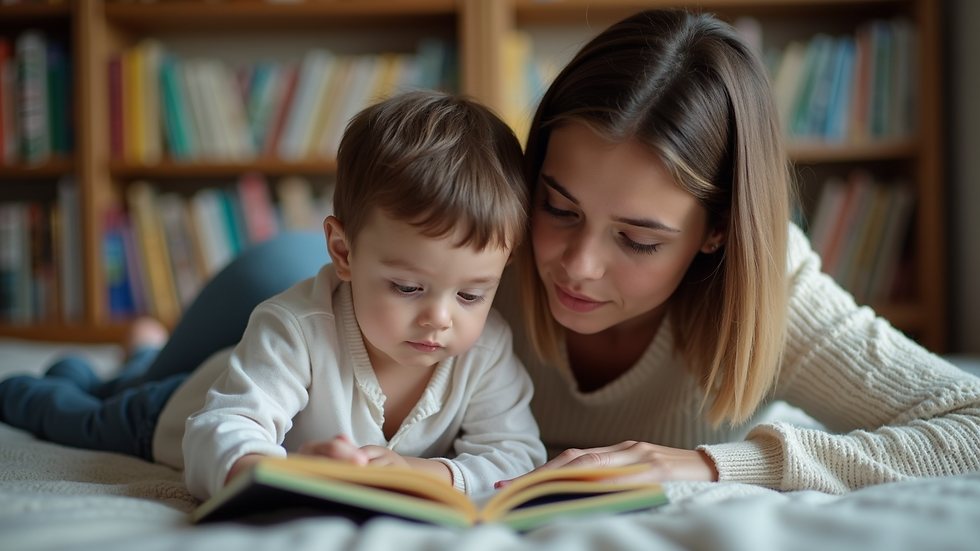
Read Together: Set aside time each day to read together. Choose books in both languages and discuss the stories to enhance comprehension.
Library Visits: Make regular visits to the library. Allow your child to choose books that interest them, whether in their first language or the second.
Storytelling: Encourage your child to tell their own stories. This can help them practice their language skills while expressing their creativity.
Make Learning Fun
Learning should be an enjoyable experience. Finding ways to make language learning fun can keep your child engaged and motivated.
Creative Activities: Incorporate arts and crafts into language learning. For example, your child can create flashcards or draw pictures related to new vocabulary.
Cooking Together: Involve your child in cooking traditional dishes. Use the opportunity to teach them the names of ingredients and cooking terms in both languages.
Outdoor Activities: Take language learning outside. Play games in the park, go on nature walks, and use the environment to teach new words.
Connect with Other Bilingual Families
Connecting with other bilingual families can provide support and encouragement. Sharing experiences and tips can be beneficial for everyone involved.
Join Online Communities: Look for online forums or social media groups focused on bilingual parenting. These can be great places to ask questions and share resources.
Attend Workshops: Participate in workshops or seminars on bilingual parenting. These events can provide valuable insights and strategies.
Share Resources: Exchange books, games, and other resources with other bilingual families. This can help you discover new tools for language learning.
Embrace Mistakes as Learning Opportunities
Mistakes are a natural part of the learning process. Embracing them can help your child feel more comfortable with both languages.
Normalize Errors: Let your child know that making mistakes is okay. Share your own language learning experiences to show that everyone makes errors.
Learn Together: If your child makes a mistake, use it as a teaching moment. Gently correct them and encourage them to try again.
Celebrate Efforts: Focus on the effort rather than the outcome. Celebrate your child's willingness to try, even if they do not get it right the first time.
Keep the Conversation Going
Engaging in regular conversations is essential for language development. Make it a habit to talk with your child in both languages.
Daily Chats: Set aside time each day for casual conversations. Ask open-ended questions to encourage your child to express their thoughts.
Discuss Daily Activities: Talk about daily activities in both languages. This can help reinforce vocabulary and improve comprehension.
Encourage Storytelling: Encourage your child to share stories about their day. This can help them practice their language skills while building confidence.
Celebrate Your Bilingual Journey
Bilingual parenting is a unique journey filled with ups and downs. It is important to celebrate your progress and the milestones you achieve along the way.
Reflect on Growth: Take time to reflect on how far you and your child have come. Celebrate the small victories and the challenges you have overcome.
Create a Memory Book: Consider creating a memory book that documents your bilingual journey. Include photos, milestones, and notes about your experiences.
Share Your Story: Share your bilingual parenting story with others. Your experiences can inspire and encourage other families on a similar path.
Raising bilingual children is a beautiful adventure that requires dedication, creativity, and love. By implementing these engaging bilingual parenting tips, you can create a nurturing environment that supports your child's language development. Remember to be patient, celebrate achievements, and most importantly, enjoy the journey together.


Comments